NKU Adds Noah Pagotto and B.J. Davis-Ray While Horizon League Offseason Heats Up

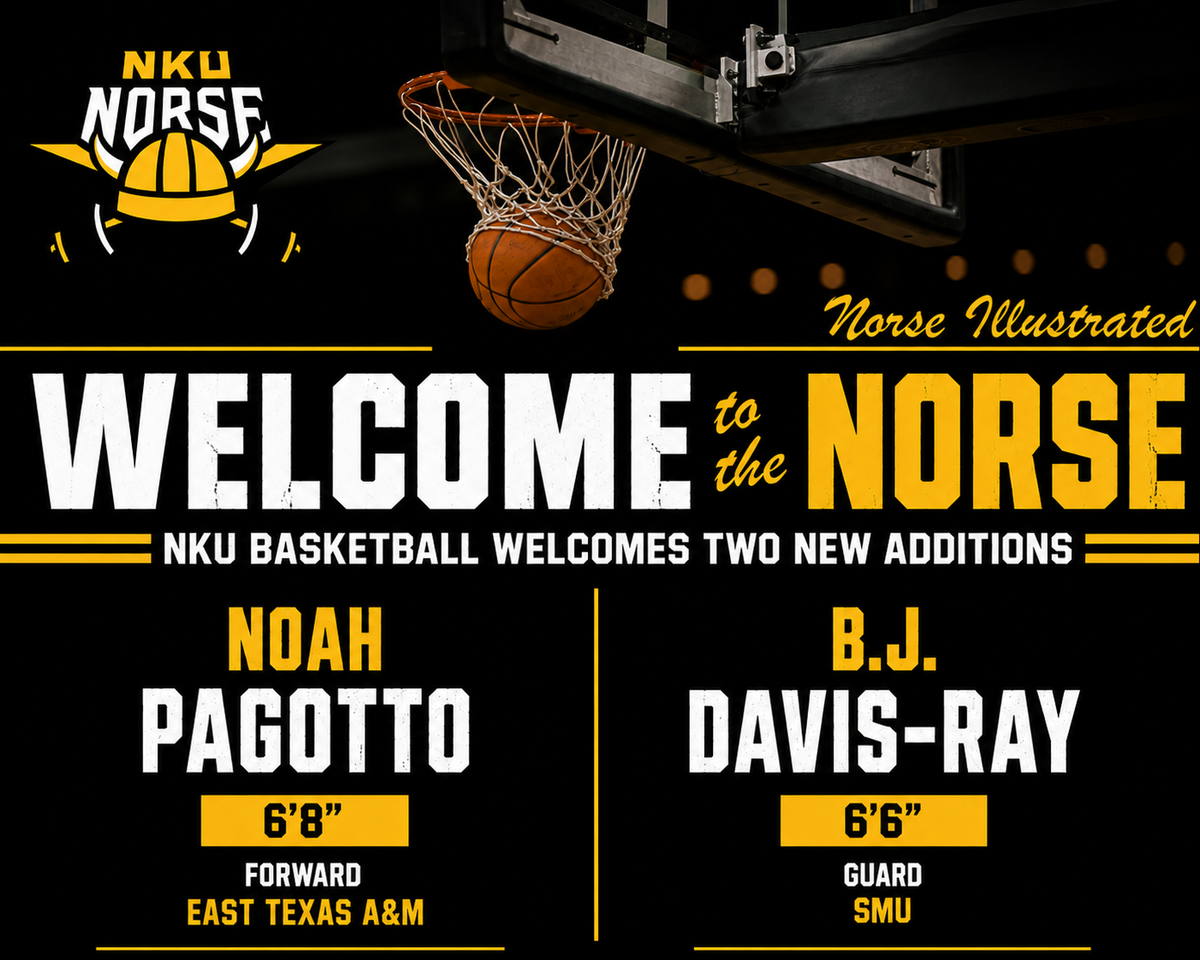
Northern Kentucky continues to reshape its roster for the 2026-27 season, and one of the latest addition gives the Norse a proven interior presence with experience at multiple levels of college basketball.
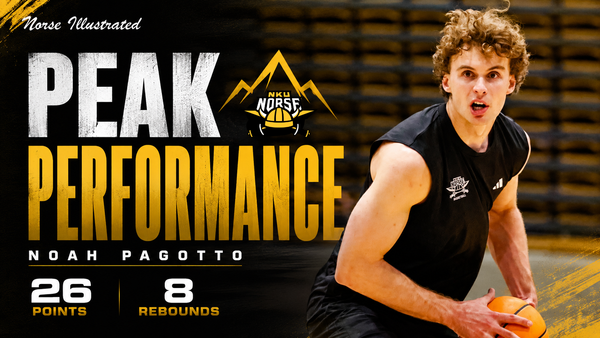
NKU announced the signing of Australian forward Noah Pagotto on Sunday, adding a versatile 6-foot-8 big man who most recently played at East Texas A&M University. Pagotto arrives in Highland Heights after a productive season where he averaged 10.4 points and 5.7 rebounds while starting 22 games for the Lions.
Welcome to NKU, @noah_pagotto ⚔️ pic.twitter.com/s3NMlmG7V6
— NKU Men's Basketball 🏀 (@NKUNorseMBB) April 26, 2026
The fit makes plenty of sense for what Northern Kentucky needs heading into a major roster transition. With the Norse losing a large chunk of their frontcourt production from last season, Pagotto brings size, efficiency, and experience to a group that needed proven minutes inside.
One trait NKU’s staff consistently values in portal additions is winning experience, and Noah Pagotto checks that box at every level he has played. Before arriving in the United States, Pagotto competed nationally multiple times in Australia and was part of three New South Wales teams that qualified for national championships. He also helped lead New South Wales to a silver medal finish while earning Defensive Player of the Tournament honors at the Under-20 Championships.
That success continued into his college career. As a freshman at West Texas A&M University, Pagotto played an important rotation role for a team that won a conference championship and reached the Division II Final Four. Across his three collegiate seasons between West Texas A&M and East Texas A&M University, the teams he has played on have a combined 60-38 record.
The addition also continues a growing Australian connection within the program. Current Norse guard Ethan Elliott is also from Australia, giving NKU another international piece as the roster continues to take shape this offseason.
WATCH: Film of Northern Kentucky portal signee Noah Pagotto (@noah_pagotto) 🎥 pic.twitter.com/o7DM9nPdW7
— Rebound Rundown (@ReboundRundown) April 26, 2026
Noah Pagotto has a similar offensive profile to recently departed LJ Wells. Pagotto is more of a cutter and less of a post up player than Wells, but the two have similar traits.
Both players are highly efficient interior scorers who thrive in structured half-court offense and do a lot of damage around the rim. Wells was more of a power driver and post mismatch creator, using strength and physicality to bully defenders, draw fouls, and generate offense through contact. Pagotto’s game is a little smoother and more connective. He scores by timing cuts, finding gaps in the defense, running the floor hard in transition, and making quick decisions when the ball swings his way.
Both graded out as extremely efficient half-court players at high volume. Pagotto posted 1.081 PPP in half-court offense, while Wells sat at 1.060 PPP. Both were also highly effective against man-to-man defenses, with Pagotto scoring 1.052 PPP and Wells at 1.012 PPP.
The biggest stylistic difference comes with how they generate those points. Wells constantly pressured defenses downhill and lived at the free throw line, drawing 3.6 fouls per game and functioning as NKU’s primary interior creator. Pagotto still gets to the line at a solid rate, but he is more efficient as a finisher than a volume creator. His 73.8% conversion rate on easy shots and elite transition numbers show a player who excels when the offense creates movement and advantages around him.
Pagotto also brings a little more spacing potential. Wells could stretch the floor at times, but Pagotto shot 37.3% from three last season and projects more naturally as a pick-and-pop or trail option offensively.
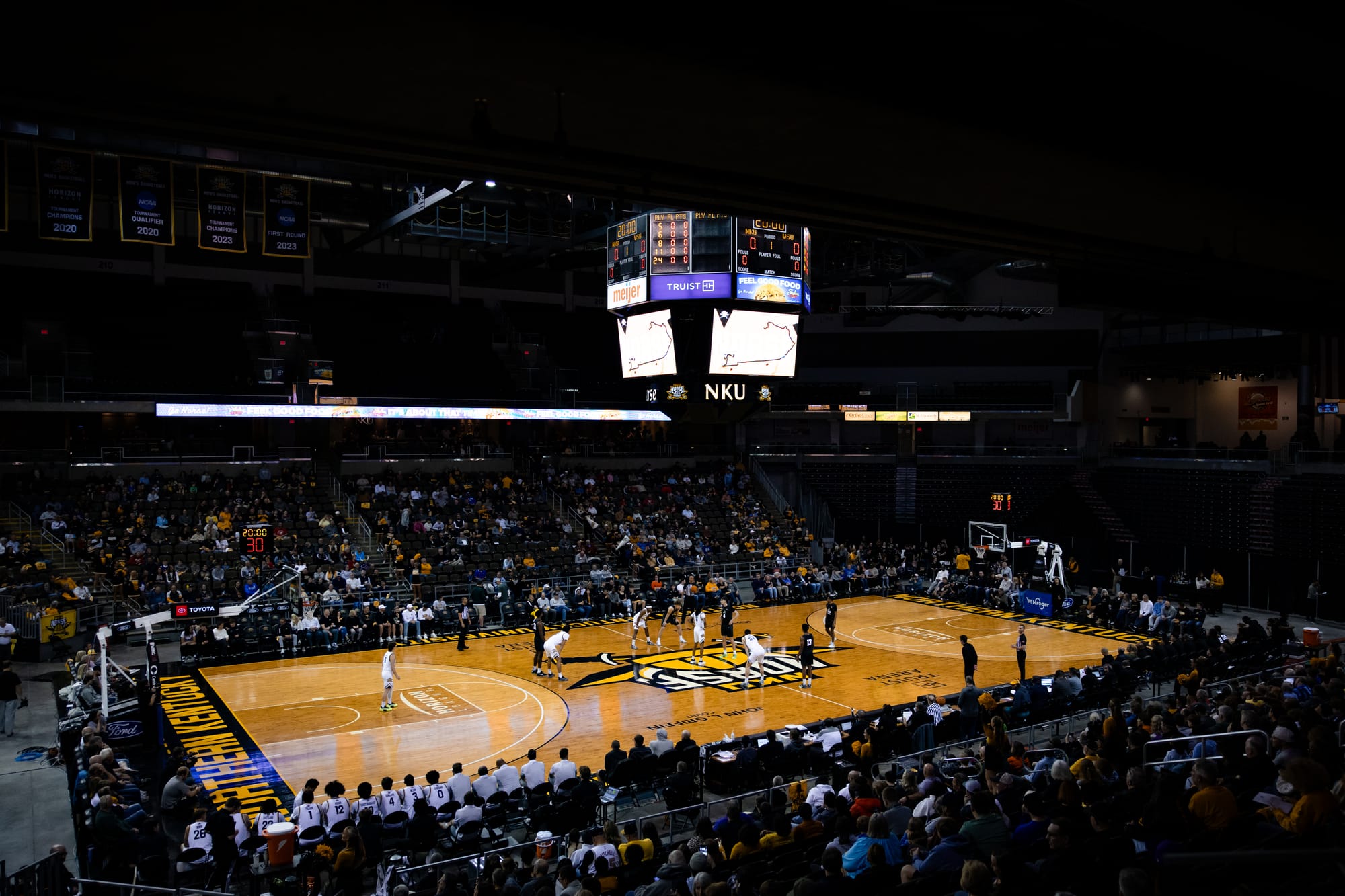
The most recent portal addition for Northern Kentucky is former Southern Methodist University guard B.J. Davis-Ray, who arrives in Highland Heights as an intriguing long-term option.
Davis-Ray saw limited minutes as a freshman at SMU, appearing in 32 games and averaging 7.0 minutes per night, but there were flashes against high-level competition that stand out. He scored five points against nationally ranked University of Virginia, added four points and two rebounds at Duke University, and knocked down a three in a win over University of North Carolina at Chapel Hill.
Coming out of high school, Davis-Ray was a highly regarded recruit out of California. He was ranked as high as No. 11 in the state, top-35 nationally at his position, and top-130 overall in the country. During his senior season at JSerra Catholic, he averaged 17.6 points, 6.2 rebounds, and 2.7 assists while helping lead the program to a strong playoff run in one of the toughest high school basketball environments in the nation.
From a stylistic standpoint, Davis-Ray feels more like a developmental upside swing than an immediate high-volume producer, which is perfectly reasonable for a sophomore transfer coming out of a power conference roster.
The biggest thing that stands out analytically is his ball security. Even in limited offensive possessions at SMU, Davis-Ray rarely turned the ball over and consistently played under control. That may sound minor, but for young guards adjusting to college speed and physicality, it is an important foundation piece.
The efficiency numbers overall were not great last season, but context matters here. Davis-Ray played sparingly on a deep roster and often in inconsistent minutes, which can make offensive rhythm difficult for a freshman guard. The more encouraging signs are the flashes of shot-making ability and the pedigree coming out of high school.
There are also some tools that fit well within NKU’s developmental model. At 6-foot-6, Davis-Ray brings positional size on the perimeter, and his ability to make difficult shots at a respectable clip hints at upside that may not fully show up yet in the raw production numbers. Players with length, athletic tools, and high-level recruiting backgrounds often take major jumps once they settle into larger roles and more consistent opportunity.
Right now, Davis-Ray projects more as a long-term rotational piece than a finished product, but that is part of what makes the addition interesting. NKU is not simply rebuilding with short-term veterans. The Norse are also adding younger players with upside who could develop into major contributors over the next few seasons.

Where does the Horizon League as a whole stand a few weeks into the portal?
So far, 46 total transfers have been tracked across the league, including 24 additions coming directly from other Division I programs. Some staffs are aggressively targeting proven Division I production, while others are building through volume, upside swings, and lower-level standouts looking to make the jump.
At the top of the league right now from a pure portal resume standpoint, Robert Morris has started off strong. The Colonials added one of the most impressive incoming Division I groups in the conference with Ace Valentine, Jalik Dunkley, and KJ Garris. Valentine and Dunkley both project as potential all-league caliber players on paper, while Garris looks like another immediate rotation piece capable of stepping into major minutes right away.
The other fascinating roster build right now belongs to Cleveland State.
The Vikings have been one of the busiest teams in the league with six Division I transfer additions already, but the construction of the class is very different from Robert Morris or NKU. Cleveland State appears to be betting heavily on upside, reclamation projects, and regional familiarity. A large portion of the class consists of Ohio-connected players who needed a reset after inconsistent situations elsewhere.
The centerpiece of the group is Derek Vorst, the 6-foot-10 transfer from Indiana State University, who projects as their most immediate impact addition. Beyond him, the class feels more developmental and system-dependent. That does not mean it cannot work, but it likely creates a wider range of outcomes than some of the league’s other portal hauls.
Green Bay is another interesting case. The Phoenix have added a large overall portal class so far, but only one of those additions currently comes from another Division I program. That player, Jaxon Edwards from IU Indy, looks like a strong piece and gives Green Bay a solid foundation to continue building around.
Youngstown State and Milwaukee both appear to be taking more balanced approaches with a mix of Division I transfers and developmental additions from lower levels. Meanwhile, new league addition Northern Illinois has been one of the more active programs overall, combining several lower-level additions with a handful of experienced Division I transfers.
The broader league trend is pretty clear though: experience still matters.
Most of the programs that look strongest early are the ones landing players who have already proven they can produce efficiently at the Division I level. Teams are increasingly trying to avoid full rebuild gambles and instead targeting players with defined roles, older bodies, and transferable skills.