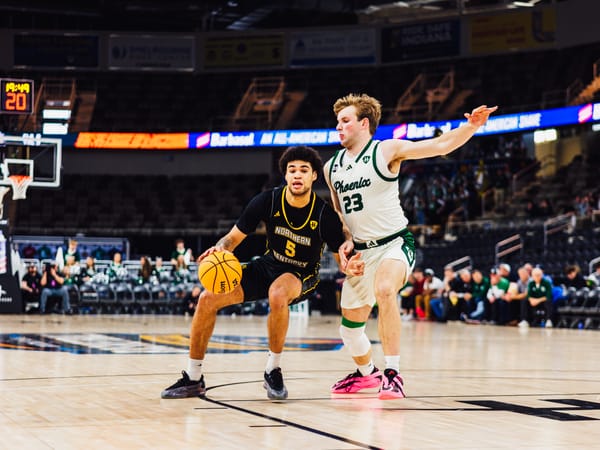
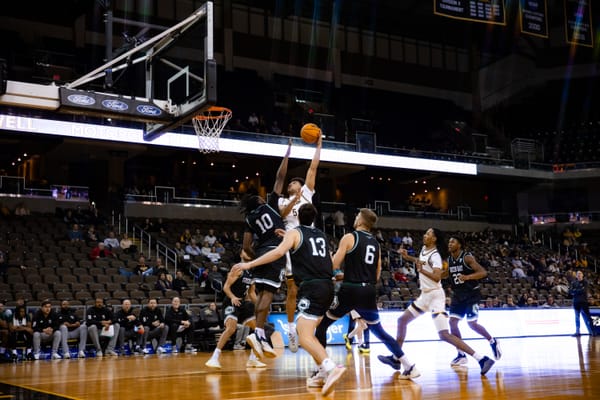
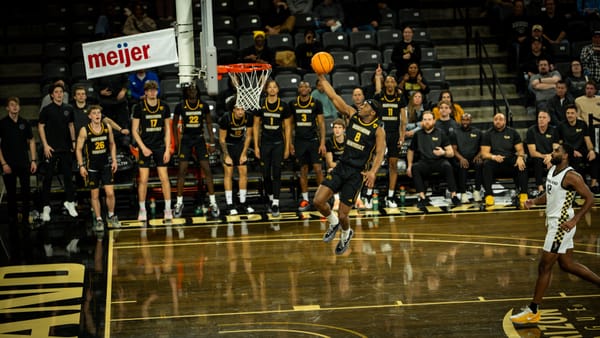
Game Day Returns to Highland Heights with NKU Set to Open the Season Amid NCAA Rule Changes
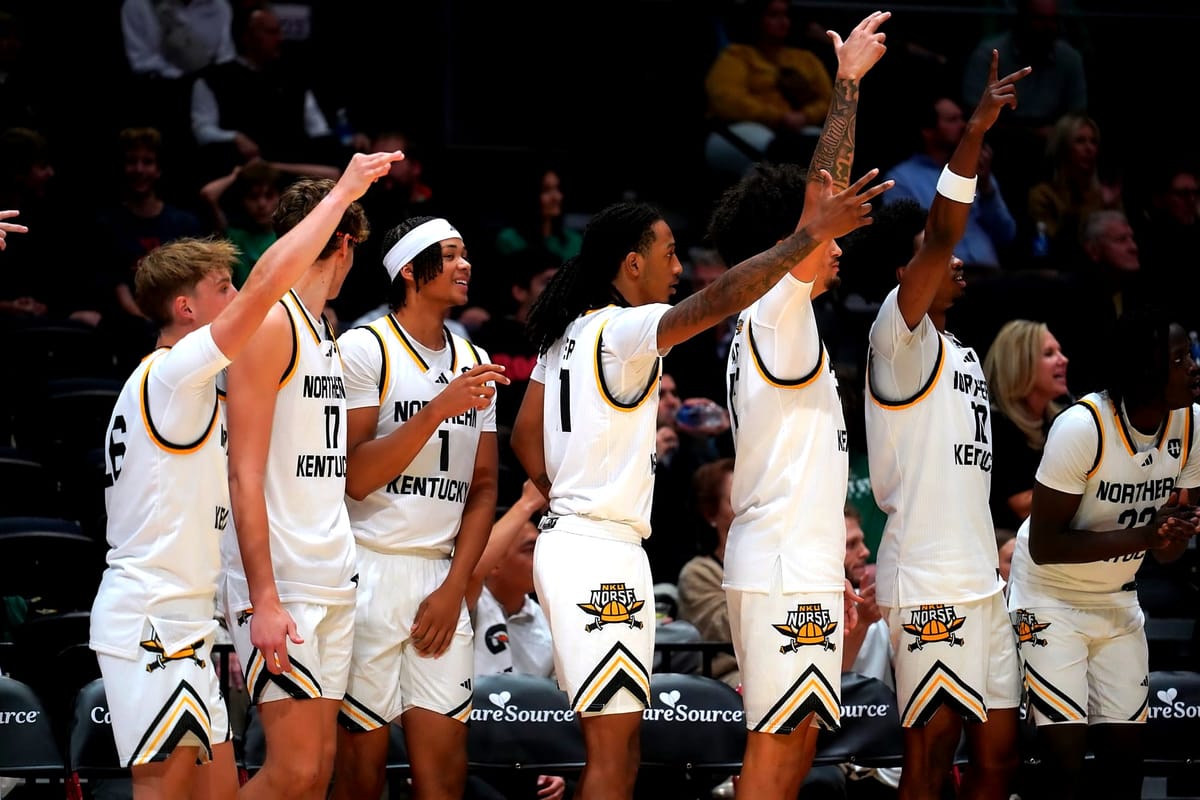
Northern Kentucky opens the season on Monday at 7 pm against Division II UC Clermont at Truist Arena. The Norse are 7-0 all-time against the Cougars, with their most recent meeting coming on November 12, 2022, an 89–49 NKU victory led by Marques Warrick’s 26 points and four assists.
While this matchup serves as a tune-up game, similar to NKU’s recent exhibition against Ashland at UD Arena, it will still provide a meaningful look at the team’s regular rotation. In that exhibition, the Norse starters averaged nearly 30 minutes, a trend that could continue in Monday’s opener.
My projected NKU starting five, which is identical to the group that started against Ashland:
#0 Dan Gherezgher
#5 LJ Wells
#6 Ethan Elliot
#8 Donovan Oday
#24 Kael Robinson
Key Officiating Points of Emphasis for 2025–26
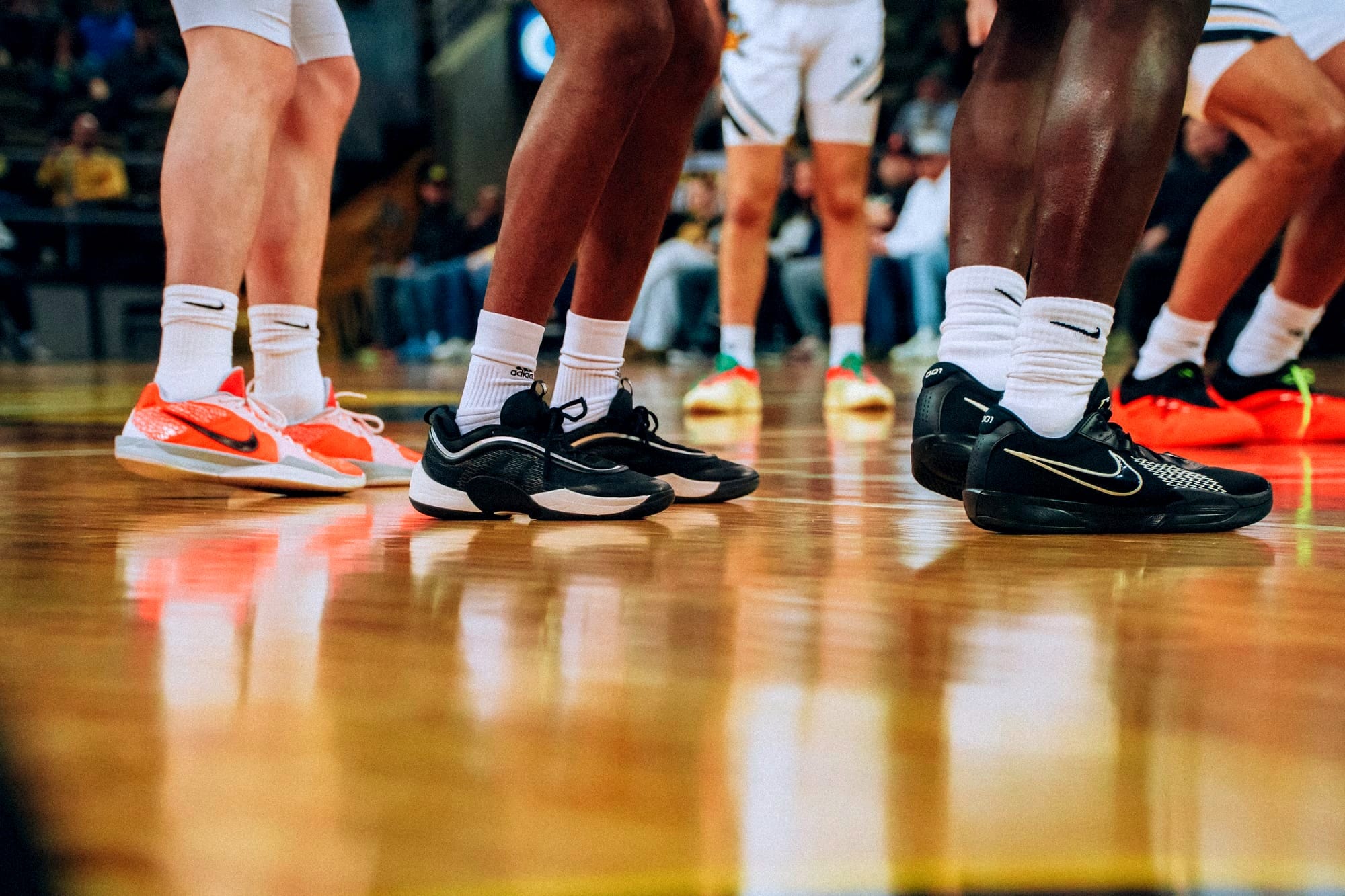
College basketball is back and with it comes a few tweaks that could have an impact on how games are played and officiated this season. The NCAA Men’s Basketball Rules Committee feels like the sport is in a good place overall, but it’s putting a renewed focus on game flow, physicality, and efficiency. The idea is simple: keep the action moving, cut out the unnecessary delays, and make sure the physical side of the game doesn’t cross the line.
- Cleaning Up the Physical Play – Officials have been instructed to call the first foul, particularly on post backdowns and other contact that puts a defender at a disadvantage. The emphasis is on keeping the game physical but fair, especially when it comes to hand checks and bodying up inside.
- Cutting Down on Delays – Teams that slow the game down, whether by touching the ball after made baskets, huddling on the floor, or taking their time before inbounding, can potentially expect quicker whistles this year. There’s also a renewed push to keep monitor reviews to a minimum, with officials encouraged to make quicker decisions and limit time spent at the table.
- Staying Sharp and Efficient – Referees are being reminded to manage dead-ball situations more efficiently. The committee wants games to move smoothly without unnecessary stoppages. Traveling will also be a point of focus again, especially pre-dribble violations, pivot slides, and split-step moves.
New Rules to Know for 2025–26
In addition to the points of emphasis, there are a few actual rule changes that will affect gameplay this season.
- Continuation Rule – Players will now be allowed an extra step on continuation plays as long as the ball has been gathered before the foul. Under the updated continuous motion rule, an offensive player driving to the basket who absorbs contact may now pivot or take the step they’re in the process of completing before finishing the shot. This is an important adjustment that brings the college game a bit closer to NBA and FIBA standards.
- Coaches Challenge – This is arguably the biggest procedural change of the season. Officials will no longer automatically review out-of-bounds calls, goaltending or basket interference, or whether a secondary defender was inside the restricted-area arc, except in the final two minutes. Those situations can now only be reviewed if a coach issues a challenge, adding another layer of strategy to late-game decision-making. To initiate a challenge, a team must have a timeout available. If the challenge is successful, the team earns one additional challenge for the rest of the game, including overtime. However, if the first challenge is unsuccessful, that team loses the ability to challenge again for the remainder of the game.
- No Huddling Before Free Throws – Teams will no longer be permitted to gather for mini-huddles prior to free throws. The intent behind the change is to maintain game flow and eliminate unnecessary stoppages that slow down the pace. Breaking this habit won’t be easy, as most teams, including the Norse, traditionally use those quick huddles to reinforce defensive changes, discuss potential late-clock scenarios, or set up the next offensive possession.
What It Means for the Norse
For programs like Northern Kentucky, these adjustments could subtly shift late-game strategy. Coaches will now have to save a timeout if they want the option to challenge a call, which could make end-of-game management even trickier. At the mid-major level, challenges might not always provide the same clarity seen in power-conference games since the Horizon League generally has fewer cameras and broadcast angles. Replay reviews will often depend entirely on whatever the in-house feed captures.
It’s also worth keeping in mind that many of these points of emphasis mentioned tend to be enforced most tightly early in the season. Officials usually call things a little closer at the start because of the offseason focus on new rules, but those whistles often loosen up as the year goes on and everyone adjusts to the new standard. The NCAA Men’s Basketball Committee has also discussed continuing this trend of modernization in future seasons, with growing momentum toward moving the men’s game from halves to quarters. Meaning this could be the final year we see college basketball played under its traditional format.